




Integration of IoT and AI
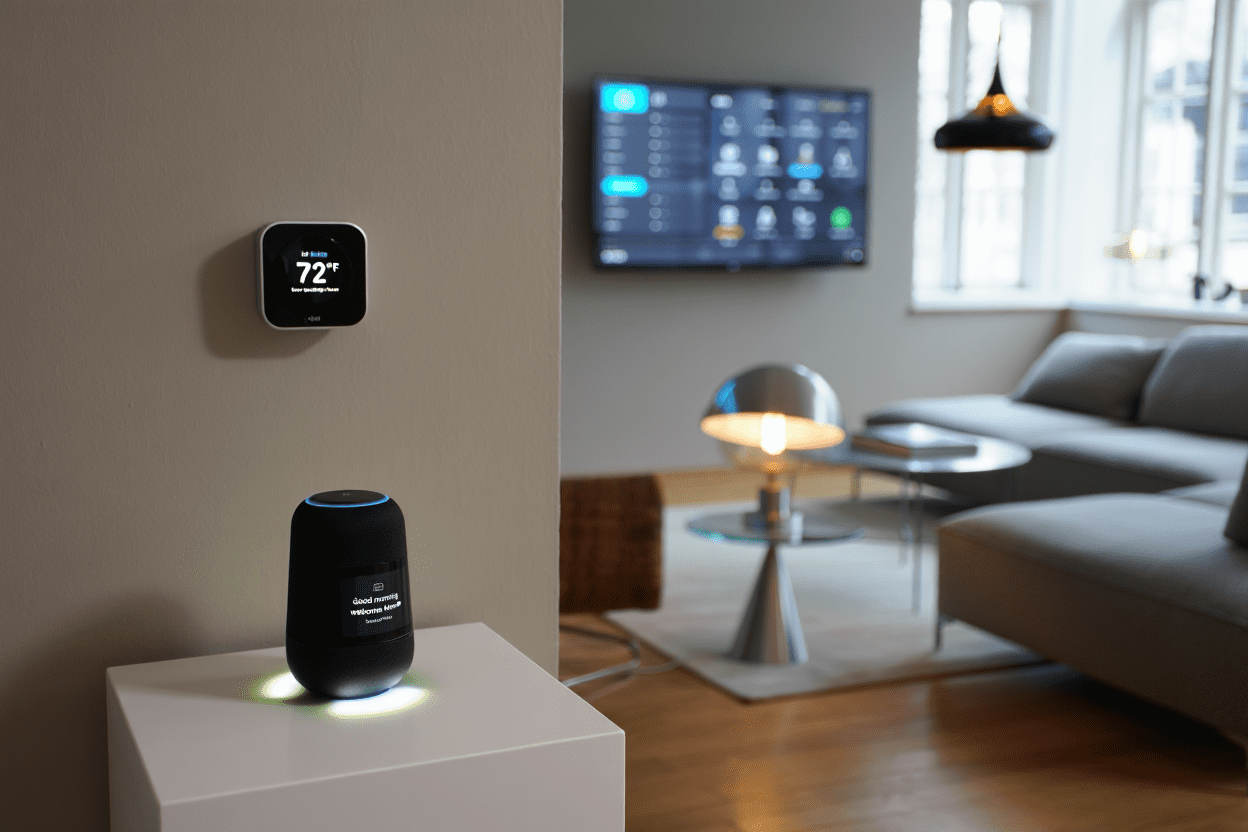
The convergence of the Internet of Things (IoT) and Artificial Intelligence (AI) is creating smarter, more responsive buildings Advanced HVAC systems now use AI to optimize climate control, adapting to occupancy patterns and ext. weather conditions Predictive maintenance technologies anticipate equipment failures, ensuring uninterrupted operation

Embracing Sustainability and Green Technology
Sustainability is a key focus in smart buildings IoT sensors play a crucial role in monitoring and managing energy consumption AI algorithms analyze vast amounts of data from building operations, identifying patterns and inefficiencies Smart buildings are incorporating Environmental, Social, and Governance ESG factors into their operations and management

Advanced Security Systems
Security in smart buildings has evolved with technology Facial recognition systems offer secure, keyless entry AI-enabled surveillance can detect unusual activities, providing proactive security measures In emergencies, integrated systems guide occupants to exits and coordinate with first responders

Prioritizing Health and Well-being
Health-focused technologies are increasingly important in building design Modern air filtration and purification systems ensure high indoor air quality Environmental sensors monitor parameters like CO2, humidity, and particulate matter, maintaining optimal conditions The incorporation of natural elements and biophilic designs enhances aesthetics and promotes mental well-being

Enhanced Connectivity and 5G Integration
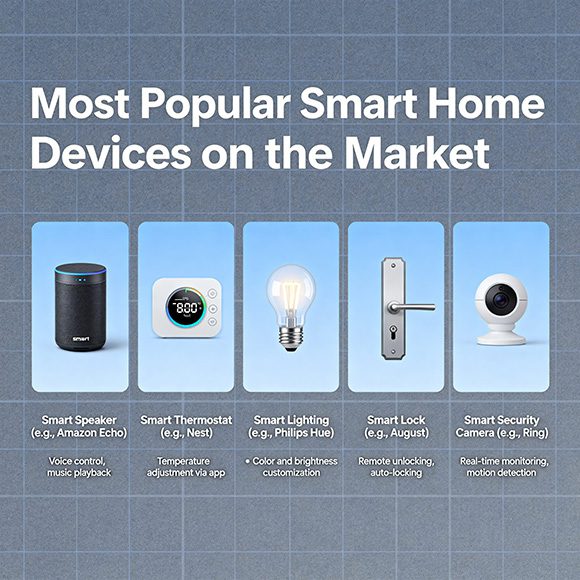
The deployment of 5G technology is transforming building connectivity Augmented reality (AR) applications assist in efficient building maintenance and management This enhanced connectivity allows for seamless integration of various smart devices and systems.

Real-time Energy Monitoring and Forecasting
Modern building management software (BMS) provides real-time energy usage statistics This allows for better energy management and cost savings Energy efficiency is further enhanced by using weather forecasts to adjust building operations

Occupancy-based HVAC Control
Smart buildings can offer occupancy-based HVAC control Sensors measure temperature and CO2 levels, and algorithms optimize ventilation in real-time This results in energy savings and improved comfort for occupants

Control and Reduction of Waste
Sustainable buildings have solutions for waste management Waste is not only reduced but also managed efficiently This includes recycling programs and the use of sustainable building materials


